SEO
How to Improve Google Rankings in Newark | 10-Step Strategy
Published 2026-05-04 - 5 min read
By Achivoo AI & Integration Team - Achivoo Editorial Team

How to Improve Google Rankings in Newark: 10-Step Strategy for Search Dominance
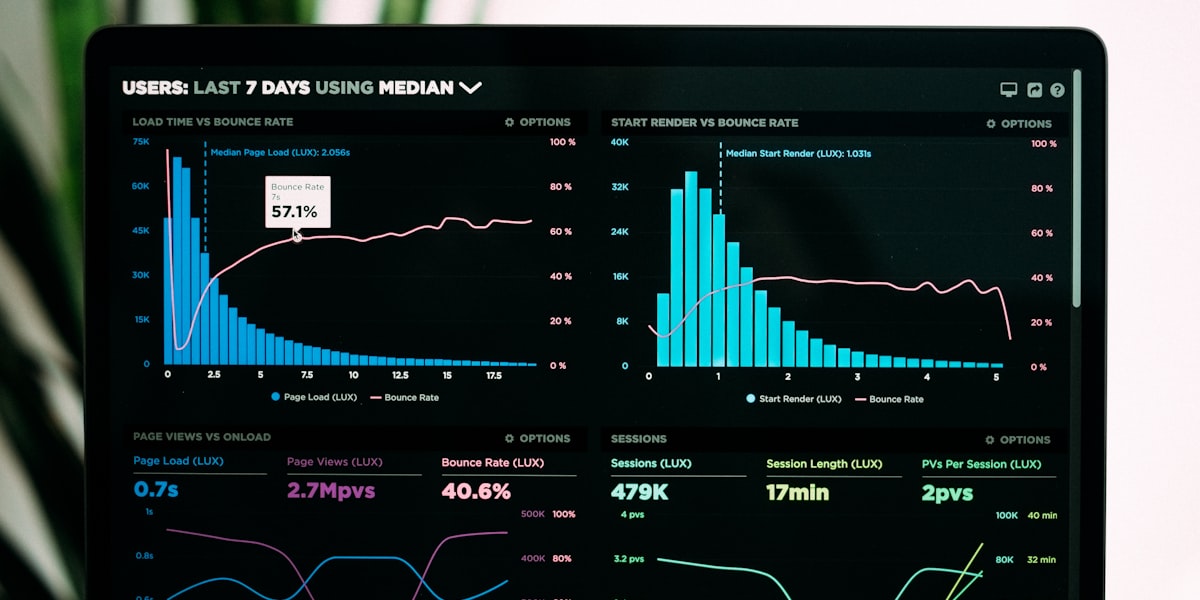
Understanding Newark's Competitive Search Landscape
Newark's dense business market creates intense competition for search rankings. Many companies target identical keywords, requiring strategic advantages to rank higher. Simply creating content isn't enough—you must understand your competitive positioning, identify ranking opportunities where you can win, and develop comprehensive strategies beating competitors systematically.
Improving Google rankings in Newark requires understanding both opportunity (which keywords customers search) and execution (technical excellence, content quality, authority). This guide walks through proven strategies improving rankings across competitive Newark markets, from immediate quick wins to long-term authority building.
Step 1: Conduct Comprehensive Competitive Analysis
Before optimizing, understand who you're competing against. Research top-ranking pages for your target keywords, identifying competitor strategies. Analyze competitor content length, structure, topics covered, backlink profiles, and engagement signals.
Use tools like Semrush or Ahrefs to analyze top 10 competitors. Identify patterns—do successful pages average 2000 words or 5000? Do they include comparison tables, videos, or case studies? What authority signals do they demonstrate? Which domains link to them?
This competitive analysis informs your strategy. If competitors average 3000-word guides with case studies, your content should match or exceed that. If competitors have 50+ backlinks, you'll need similar authority to rank. Comprehensive SEO audit findings reveal your current competitive position and what changes move you closer to top rankings.
Step 2: Fix Technical SEO Foundation Issues
Ranking requires a solid technical foundation. Prioritize fixing critical technical issues before content development. Ensure your site runs fast (Core Web Vitals under thresholds), is mobile-friendly (responsive design, fast mobile load speed), and is easily crawlable (sitemap.xml, proper robots.txt, no crawl errors).
These aren't optional—Google explicitly states Core Web Vitals are ranking factors. Pages with poor Core Web Vitals face ranking penalties. Use Google PageSpeed Insights identifying specific optimizations. Implement image compression, minify CSS and JavaScript, enable caching, and upgrade hosting if needed.
Check mobile responsiveness explicitly. Most Newark search traffic is mobile—if your site isn't mobile-friendly, you're handicapping your ranking potential. Verify all buttons work, content displays correctly, and load speed is acceptable on mobile devices.
Step 3: Optimize Primary Keywords and Search Intent
Select primary keywords matching your expertise and customer demand. Use Google Keyword Planner and Semrush identifying search volume and keyword difficulty. Target keywords with reasonable difficulty where ranking is achievable within 6 months. Avoid ultra-competitive keywords initially—start with "low-hanging fruit" keywords easier to rank.
Understand search intent explicitly. Are searchers looking for informational content (learning), comparison content (evaluating options), or transactional content (buying)? Create content matching intent. A transactional keyword like "SEO services Newark" demands action-focused content. An informational keyword like "what is technical SEO" demands educational content.
Include primary keywords naturally in title tags, H1 tags, and first 100 words. Maintain 1.5%-1.7% keyword density overall. Use related keywords and variations throughout content, signaling comprehensiveness without keyword stuffing. Related search suggestions show keyword variations searchers use—incorporate these naturally.
Step 4: Develop Comprehensive Content Strategy
Ranking requires content better than current top-ranking pages. Analyze competitor content identifying gaps. Create comprehensive content addressing customer questions competitors miss. Include case studies, statistics, actionable advice, and expert insights—anything adding unique value.
Length matters in competitive markets. Most first-page rankings are 2000+ words. Shorter content can rank for less competitive keywords, but expects longer, comprehensive content for competitive terms. Use proper heading hierarchy (H1 for title, H2 for main sections, H3 for subsections) improving readability and SEO.
Focus on satisfying user intent completely. If searchers want step-by-step guides, create detailed guides. If they want comparisons, include comparison tables. If they want case studies, include real examples. Better content satisfying intent ranks higher.
Step 5: Build E-E-A-T and Trust Signals
Google's E-E-A-T framework (Experience, Expertise, Authority, Trustworthiness) increasingly influences rankings. Demonstrate expertise through author bios, credentials, and certifications. Show experience through case studies and client testimonials. Build authority through media mentions, speaking engagements, and thought leadership.
Establish trustworthiness through transparent company information, clear contact details, professional design, security indicators (HTTPS), and customer reviews. Update content regularly demonstrating current expertise. Link to authoritative sources supporting your claims.
For local services, encouraging customer reviews directly improves rankings. Review quantity and quality influence local visibility dramatically. Develop systems generating positive reviews while addressing negative feedback professionally.
Step 6: Master Internal Linking Strategy
Internal links distribute authority throughout your site and help Google understand content relationships. Link thematically related content together. A blog post about local SEO services in Newark should link to related local SEO content, your local services page, and other local optimization guides.
Use keyword-rich anchor text naturally describing linked content. Avoid generic anchors like "click here." Link important pages multiple times with varied anchor text distributing link equity. Don't overlink pages—quality links matter more than quantity.
Strategic internal linking improves rankings in multiple ways: distributing authority to important pages, helping Google crawl your content, establishing topical relationships, and providing users navigation paths discovering related content.
Step 7: Execute Content Marketing and Link Building
Backlinks remain powerful ranking signals. Develop content worthy of linking. Create comprehensive guides, original research, and tools providing unique value. Make content so valuable competitors link to it. Reach out to relevant publications suggesting expert quotes or partnership opportunities.
Focus on link quality over quantity. One link from a high-authority relevant domain outweighs 10 links from low-quality sites. Target links from industry publications, local directories, professional associations, and authoritative websites in your niche.
Don't buy links or use link schemes—Google penalties are harsh. Develop natural linking strategies earning recognition through content quality and relationship building. Technical SEO excellence and content strategies work together earning links naturally.
Step 8: Optimize for Local Search Visibility
For Newark businesses serving local customers, local search optimization is critical. Optimize your Google Business Profile completely—fill all fields, use high-quality images, add service areas, request reviews, and post regular updates. Local SEO signals strongly influence both local pack rankings and organic rankings.
Ensure NAP (Name, Address, Phone) consistency across your website and directories like Google My Business, Yelp, and industry-specific directories. Inconsistent information confuses Google and harms local rankings. Monitor and fix citations maintaining perfect consistency.
Generate local backlinks and citations. List your business on local directories, sponsor local events, partner with local businesses, and engage with local media. These local signals improve both local visibility and organic rankings for Newark search terms.
Step 9: Monitor Rankings and Organic Traffic
Track progress measuring success. Use Google Search Console monitoring ranking positions, click-through rates, and impressions. Monitor organic traffic in Google Analytics. Track keyword rankings monthly using tools like Semrush or Rank Tracker.
Expect gradual improvement over 3-6 months. Some keywords may rank immediately, others take 6+ months. Quick wins provide momentum and proof-of-concept. Long-tail keywords often rank faster than competitive head terms. Celebrate early wins while building toward competitive keyword dominance.
Monitor competitor rankings too. If competitors rank for keywords you target, your optimization efforts need increased intensity. Conversely, if smaller competitors rank, it indicates opportunity—you can outrank them with superior content and authority.
Step 10: Continuously Optimize and Adapt
SEO isn't one-time work. Continuously optimize existing content based on performance. Update rankings monitoring, refresh outdated information, add new data and case studies. Expand content covering topics you initially missed.
Monitor Google algorithm updates, industry trends, and competitive changes. Adjust strategies maintaining rankings as competition evolves. The sites maintaining top rankings do so through continuous optimization, not initial optimization followed by neglect.
Develop processes systematizing continuous improvement. Monthly reviews of rankings and traffic reveal what's working. Quarterly competitive analysis identifies shifting opportunities. Regular content audits find dated information needing updates.
Quick Wins for Immediate Ranking Improvements
While comprehensive strategies take months, several quick wins can improve rankings within weeks. Update title tags adding keywords where missing. Improve meta descriptions increasing click-through rates. Add missing alt text to images. Fix crawl errors in Google Search Console. Create internal links from relevant pages to target pages. Update and refresh existing content adding new information.
These quick wins won't make you rank first for competitive keywords alone, but they provide immediate improvements while longer-term strategies build momentum. Quick wins also provide psychological wins proving your strategy works, maintaining team motivation during longer optimization timelines.
Three-Month Action Plan for Ranking Improvements:
Month 1: Conduct audit and competitive analysis, fix critical technical issues, optimize existing top pages with better keywords and internal linking, develop initial content marketing plan
Month 2: Create 2-3 comprehensive content pieces targeting high-value keywords, build initial links through content distribution and outreach, optimize Google Business Profile
Month 3: Monitor early results, optimize based on performance data, build more content, develop ongoing content calendar, establish continuous optimization processes
Understanding Timeline Expectations
Ranking improvement timelines depend on competition, keyword difficulty, and optimization quality. Easy keywords may rank within 4-6 weeks. Moderate-difficulty keywords typically rank within 3-6 months. Highly competitive keywords may require 6-12 months or longer.
Newark's competitive markets generally fall in the moderate-to-competitive range. Expect 3-6 months for meaningful ranking improvements on primary keywords, 6-12 months for highly competitive terms. Patience combined with continuous effort produces results.
When to Seek Professional Help
If your professional SEO services aren't producing results, or you lack internal resources, professional SEO firms provide value. They have specialized tools, competitive intelligence, and experience in your industry. Professional optimization often costs $2000-8000 monthly but delivers faster results than DIY approaches.
Choose firms demonstrating results with similar businesses, not making unrealistic ranking guarantees. Legitimate SEO firms promise improved visibility and traffic, not guaranteed #1 rankings.
FAQ About Improving Google Rankings
How long does it take to improve Google rankings in Newark?
Expect 3-6 months for noticeable ranking improvements in competitive Newark markets. Quick wins may appear within 4-6 weeks, but significant movement typically takes 3-6 months as content builds authority and accumulates backlinks. Competitive keywords may require 6-12 months for first-page rankings. Timeline depends on keyword difficulty, competition level, and optimization intensity.
What's the most important factor for improving Google rankings?
While many factors influence rankings, content quality and backlinks are consistently most impactful. Google ranks pages that better serve user search intent than alternatives and earn recognition from other authoritative sources. Technical SEO provides the foundation enabling ranking, but content quality and authority building drive actual improvements.
Can I improve rankings without building backlinks?
Possible but difficult. Backlinks act as votes of confidence—pages with more backlinks from high-authority sources typically rank higher. However, exceptional content, perfect optimization, and strong E-E-A-T signals can sometimes rank without backlinks. For competitive Newark keywords, backlinks are usually necessary for ranking dominance.
Should I focus on keywords or user intent for improving rankings?
Both. Modern SEO focuses primarily on user intent—what the searcher actually wants to find. Select keywords matching your content's ability to satisfy that intent. Content optimized for keywords while missing user intent won't rank well. Understand search intent first, then optimize for relevant keywords satisfying that intent.
How do I know if my ranking improvements are working?
Track rankings for target keywords using Google Search Console or tools like Semrush. Monitor organic traffic growth in Google Analytics. Track conversions from organic search, measuring whether ranking improvements actually drive business results. Regular monitoring reveals whether your efforts are working or need adjustment.
Share This Article
Need Help Implementing This Strategy?
Achivoo helps businesses apply these ideas through conversion-focused web design and performance-driven SEO execution.
Book a ConsultationConclusion
Strong on-page SEO comes from combining keyword relevance, clear structure, useful depth, fast performance, and credible internal/external linking. Use this checklist as your pre-publish quality process for every article.
Comments
Have a question about this strategy? Send it through our contact page and we will include it in the next update.
Submit Your Question